
Triptolide inhibits ovarian cancer growth and metastasis via reprogramming of tumor-associated macrophages
For full text please see pdf.

Cell Stress
Cell Stress (CES) emerges as a peer-reviewed publishing platform for high-impact research. CES publishes articles of extraordinary novelty and significance, including research papers and reviews that cover heterogenous topics in the field of cellular pathophysiology.
MicroRNA as key players in skin regeneration and anti-aging pathways
Azizi et al.For full text please see pdf.
Stress management by benzodiazepines in septic shock and critical illness: mechanistic and clinical evidence supporting alternative sedative strategies
Lambertucci et al.For full text please see pdf.
Triptolide inhibits ovarian cancer growth and metastasis via reprogramming of tumor-associated macrophages
Chen et al.For full text please see pdf.
The IRE1α-XBP1s-NFκB axis controls cell survival and epithelial differentiation under osmotic stress through arachidonic acid metabolism activation
Parra et al.Arachidonic acid (AA) metabolism plays a critical role in renal cell osmoadaptation. We recently demonstrated that hypertonicity induces the expression and activation of cytosolic phospholipase A2 (cPLA2). On one hand, AA released by cPLA2 enhances triacylglyceride (TG) synthesis and accumulation. On the other hand, AA is converted into prostaglandins (PG) through cyclooxygenase 2 (COX2) activity. Both processes are required for renal cell survival under osmotic stress. However, the mechanisms by which hypertonicity induces cPLA2 expression remain poorly understood. Given that we previously shown that hypertonicity regulates TG synthesis through the IRE1α-XBP1s branch of the unfolded protein (…)
Multifaceted role of CNPY2 beyond ER stress: Disease implications and therapeutic potential
Ebadollahibaruq et al.This review meticulously dissects CNPY2’s structural characteristics, expression patterns, and biological functions across various disorders, emphasizing its role on tumor initiation, microenvironmental stress, and chemoresistance, and evaluating its potential as a therapeutic target.
Antifungal peptides: from modes of action to synergistic and immunologic potential
Carmona-Gutierrez et al.Reversal of Cushing syndrome by antibody-mediated neutralization of ACBP/DBI
Shen et al.For full text please see pdf.
CRISPR-activation screen identified potassium channels for protection against mycotoxins through cell cycle progression and mitochondrial function
Tang et al.Zearalenone (ZEA) exposure has carcinogenic effects on human and animal health by exhibiting intestinal, hepatic, and renal toxicity. At present, the underlying mechanisms on how ZEA induces apoptosis and damage to tissues still remain unclear. In this study, we aimed to identify genes that modulate the cellular response to ZEA using clustered regularly interspaced short palindromic repeats (CRISPR)-Cas9 screening, and further validate novel gene functions to elucidate molecular mechanisms underlying particular biological processes in vivo and in vitro. Two ZEA-resistant cell lines, designated Ov-KCNJ4 and Ov-KCNJ12, were yielded by CRISPR activation screening which had significant changes in ZEA resistance and growth rates. Results showed that ZEA could interact with the cell membrane proteins (…)
Macrolide antibiotics activate the integrated stress response and promote tumor proliferation
Yu et al.Macrolide antibiotics are widely used antibacterial agents that are associated with autophagy inhibition. This study aimed to investigate the association between macrolide antibiotics and malignant tumors, as well as the effect on autophagy, reactive oxygen species (ROS) accumulation and integrated stress response (ISR). The meta-analysis indicated a modestly higher risk of cancer in macrolide antibiotic ever-users compared to non-users. Further experiments showed that macrolides block autophagic flux by inhibiting lysosomal acidification. Additionally, azithromycin, a representative macrolide antibiotic, induced the accumulation of ROS, and stimulated the ISR and the activation of transcription factor EB (TFEB) and TFE3 in a ROS-dependent manner. Finally, animal experiments confirmed that azithromycin promoted tumor progression in vivo, which (…)
Autophagic degradation of CNS myelin maintains axon integrity
Ktena et al.(Macro)autophagy is a major lysosome-dependent degradation mechanism which engulfs, removes and recycles unwanted cytoplasmic material, including damaged organelles and toxic protein aggregates. Although a few studies implicate autophagy in CNS demyelinating pathologies, its role, particularly in mature oligodendrocytes and CNS myelin, remains poorly studied. Here, using both pharmacological and genetic inhibition of the autophagic machinery, we provide evidence that autophagy is an essential mechanism for oligodendrocyte maturation in vitro. Our study reveals that two core myelin proteins, namely proteolipid protein (PLP) and myelin basic protein (MBP) are incorporated into autophagosomes in oligodendrocytes, resulting in their degradation. Furthermore, we ablated atg5, a core gene of the autophagic machinery, specifically in myelinating (…)
COX4-1 promotes mitochondrial supercomplex assembly and limits reactive oxide species production in radioresistant GBM
Oliva et al.Glioblastoma (GBM) is a fatal disease with recurrences often associated with radioresistance. Although often effective at treating newly diagnosed GBM, increasing evidence suggests that radiotherapy-induced alterations in tumor metabolism promote GBM recurrence and aggressiveness. Using isogenic radiosensitive and radioresistant GBM cell lines and patient-derived xenolines, we found that acquired radioresistance is associated with a shift from a glycolytic metabolism to a more oxidative metabolism marked by a substantial increase in the activity of the mitochondrial respiratory chain complex cytochrome c oxidase (CcO). This elevated CcO activity was associated with a switch in the isoform expression of the CcO regulatory subunit COX4, from COX4-2 to COX4-1, assembly of CcO-containing mitochondrial supercomplexes (SCs), and reduced superoxide (O2●-) production. Overexpression of COX4-1 in the radiosensitive cells was sufficient to promote the switch from glycolytic to (…)
MYCN upregulates the transsulfuration pathway to suppress the ferroptotic vulnerability in MYCN-amplified neuroblastoma
Floros et al.Ferroptosis is an iron-dependent, oxidative form of cell death that is countered mainly by glutathione peroxidase 4 (GPX4) and the production of glutathione (GSH), which is formed from cysteine. The identification of the cancers that may benefit from pharmacological ferroptotic induction is just emerging. We recently demonstrated that inducing ferroptosis genetically or pharmacologically in MYCN-amplified neuroblastoma (NB) is a novel and effective way to kill these cells. MYCN increases iron metabolism and subsequent hydroxyl radicals through increased expression of the transferrin receptor 1 (TfR1) and low levels of the ferroportin receptor. To counter increased hydroxyl radicals, MYCN binds to the promoter of SLC3A2 (solute carrier family 3 member 2). SLC3A2 is a subunit of system Xc-, which is (…)
Evaluation of I-TAC as a potential early plasma marker to differentiate between critical and non-critical COVID-19
Zhang et al.INTRODUCTION The coronavirus disease 2019 (COVID-19), caused by the severe acute respiratory syndrome coronavirus 2 (SARS-CoV-2), is not a single entity but a disease with an extraordinary spectrum of phenotypes. The virus can cause asymptomatic
p38 regulates the tumor suppressor PDCD4 via the TSC-mTORC1 pathway
Braun et al.Programmed cell death protein 4 (PDCD4) exerts critical functions as tumor suppressor and in immune cells to regulate inflammatory processes. The phosphoinositide 3-kinase (PI3K) promotes degradation of PDCD4 via mammalian target of rapamycin complex 1 (mTORC1). However, additional pathways that may regulate PDCD4 expression are largely ill-defined. In this study, we have found that activation of the mitogen-activated protein kinase p38 promoted degradation of PDCD4 in macrophages and fibroblasts. Mechanistically, we identified a pathway from p38 and its substrate MAP kinase-activated protein kinase 2 (MK2) to the tuberous sclerosis complex (TSC) to regulate mTORC1-dependent (…)
Targeting the TGFβ pathway in uterine carcinosarcoma
Dwivedi et al.Uterine carcinosarcoma (UCS) is a relatively infrequent, but extremely aggressive endometrial malignancy. Although surgery and chemotherapy have improved outcomes, overall survival (OS) remains dismal due to the lack of targeted therapy and biphasic (epithelial and mesenchymal) nature that renders the tumor aggressive and difficult to manage. Here we report a role of transforming growth factor-β (TGFβ) in maintaining epithelial to mesenchymal transition (EMT) phenotype and aggressiveness in UCS. Using a 3D-culture system, we evaluated the efficacy of the transforming growth factor-β receptor-I (TGFβR1) kinase inhibitor Galunisertib (GLT), alone and in combination with standard chemotherapeutic drugs used for the management of UCS. We demonstrate that GLT by inhibiting canonical and non-canonical signaling emanating from transforming growth factor-β1 (TGFβ1) reduces cellular viability, invasion, clonal growth and differentiation. (…)
HIF1α-dependent mitophagy facilitates cardiomyoblast differentiation
Zhao et al.Mitophagy is thought to play a key role in eliminating damaged mitochondria, with diseases such as cancer and neurodegeneration exhibiting defects in this process. Mitophagy is also involved in cell differentiation and maturation, potentially through modulating mitochondrial metabolic reprogramming. Here we examined mitophagy that is induced upon iron chelation and found that the transcriptional activity of HIF1α, in part through upregulation of BNIP3 and NIX, is an essential mediator of this pathway in SH-SY5Y cells. In contrast, HIF1α is dispensable for mitophagy occurring upon mitochondrial depolarisation. To examine the role of this pathway in a metabolic reprogramming and differentiation context, we utilised the H9c2 cell line model of cardiomyocyte maturation. During differentiation of these cardiomyoblasts, mitophagy increased and required HIF1α-dependent upregulation of NIX. Though HIF1α was essential for expression of key (…)
CircRNA regulates the liquid-liquid phase separation of ATG4B, a novel strategy to inhibit cancer metastasis?
© 2024 Guo et al.
Metastasis is the leading cause of death in cancer patients. Currently, there are no effective treatments to prevent cancer metastases. Therefore, it is imperative to provide more effective biomarkers and targets for the diagnosis and
STING-driven activation of T cells: relevance for the adoptive cell therapy of cancer
Richter et al.Adoptive cell therapy (ACT) can successfully treat hematopoietic cancers but lacks efficacy against solid tumors. This is due to insufficient T cell infiltration, high tumor heterogeneity, frequent antigen loss with subsequent tumor escape, and the immunosuppressive tumor microenvironment (TME). Alternative methods to boost the anticancer efficacy of adoptively transferred cells are actively pursued. Among adjuvants that are utilized to stimulate anticancer immune responses, ligands of the stimulator of interferon genes (STING) pathway have received increasing attention. STING activation can trigger dendritic cell (DC) activation and endogenous immune responses, thereby preventing tumor escape. Activation of the STING pathway in the context of ACT was accordingly associated with improved T cell trafficking and persistence in the TME combined with the reduced presence of immunosuppressive cells. Recent findings (…)
Chronic heart failure following hemorrhagic myocardial infarction: mechanism, treatment and outlook
Chan et al.Myocardial infarction (MI), the blockage of arterial blood supply of the heart, is among the most common causes of death worldwide. Even when patients receive immediate treatment by re-opening blocked arteries, they often develop chronic heart failure (CHF) in the aftermath of MI events. Yet, the factors that contribute to the development of MI-associated CHF are poorly understood. In our recent study (Nat Commun 13:6394), we link intramyocardial hemorrhage, an injury which can occur during reperfusion of areas affected by MI, to an increased risk of CHF. Mechanistically, our data suggest that an iron-induced adverse cascade of events after hemorrhagic MI drives fatty degeneration of infarcted tissue, which ultimately contributes to negative cardiac remodeling. In this Microreview, we discuss the implications of our findings regarding the molecular mechanism, more targeted treatment options as well as perspectives in the clinical (…)
Unraveling the surface proteomic profile of multiple myeloma to reveal new immunotherapeutic targets and markers of drug resistance
Patiño-Escobar et al.The cell surface proteome (“surfaceome”) serves as the interface between diseased cells and their local microenvironment. In cancer, this compartment is critical not only for defining tumor biology but also serves as a rich source of potential therapeutic targets and diagnostic markers. Recently, we profiled the surfaceome of the blood cancer multiple myeloma, an incurable plasma cell malignancy. While available small molecule agents can drive initial remissions in myeloma, resistance inevitably occurs. Several new classes of immunotherapies targeting myeloma surface antigens, including antibody therapeutics and chimeric antigen receptor (CAR) T-cells, can further prolong survival. However, new approaches are still needed for those who relapse. We thus applied the glycoprotein cell surface capture (CSC) methodology to panel of multiple myeloma cell lines, identifying key surface protein features of malignant plasma cells. We characterized the most (…)
Pyroptosis in NLRP3 inflammasome-related atherosclerosis
Zeng et al.Pyroptosis is a proinflammatory form of programmed cell death in response to inflammation. It involves in the pathogenesis and outcomes of atherosclerosis characterized by NLRP3 inflammasome assembly, membrane pore formation, cell swelling, pro-inflammatory mediator and cytokine release. There are known pyroptosis molecular pathways including the caspase-1 depended canonical signaling pathway and the caspase-4/5/11 determined non-canonical signaling pathway. It is essential to explore the connection among NLRP3 inflammasome, pyroptosis and atherosclerosis, which may shed light on the potential therapeutic strategies that target pyroptosis in atherosclerotic treatment.
COX-2 upregulation by tumour cells post-chemotherapy fuels the immune evasive dark side of cancer inflammation
Charlotte R. Bell and Santiago ZelenayCytotoxic therapies, such as chemotherapy and radiotherapy, are mainstays of cancer treatment for both early and unresectable, advanced disease. In addition to debulking the tumour mass through direct killing of proliferating tumour cells, these treatments can promote tumour control via immune-stimulating effects. Nonetheless, chemoresistance and tumour relapse remain huge clinical problems, suggesting that induction of anti-cancer immunity post-cytotoxic therapy is often weak, not durable and/or overcome by immune evasive mechanisms. In our recent study (Nat Commun 13:2063), we demonstrate that cancer cell-intrinsic activation of the cyclooxygenase (COX)-2/prostaglandin E2 (PGE2) pathway post-chemotherapy treatment is a prevalent phenomenon which profoundly alters the inflammatory properties of the treated cancer cells. Of particular translational relevance, our findings support a model whereby upregulation of COX-2 expression (…)
Could TNF-antagonists be a novel treatment strategy for BPH patients?
Vickman et alTumor necrosis factor (TNF) is widely recognized as a pivotal player in both systemic and local inflammatory processes. Due to the critical role this molecule has in driving both chronic and acute inflammation, it was among the earliest therapeutic targets utilized for pa-tients with autoimmune (AI) diseases. While inflamma-tion in the prostate is commonly observed, the organ has not previously been considered a target of systemic inflammation associated with some AI diseases. In pa-tients with benign prostatic hyperplasia (BPH), chronic inflammation is common, and immune cells represent a significant proportion of cells in the organ. Accumulation of inflammatory cells may be a response to an initial in-sult and/or a factor in driving BPH pathogenesis. Cer-tainly, inflammation can limit the efficacy of existing medical therapies in these patients. We previously showed that a pattern of gene expression in BPH tissues from patients who had progressed to indication-specific surgery was consistent with the changes seen in AI dis-eases. Recently, we demonstrated that patients with AI disease have an approximately 50% increase in (…)
A pathological role of the Hsp40 protein Ydj1/DnaJA1 in models of Alzheimer’s disease
Tadic et al.Alzheimer’s disease (AD) is the most common form of dementia with millions of people affected worldwide. Pathophysiological manifestations of AD include the extracellular accumulation of amyloid beta (Abeta) peptides, products of the proteolytic cleavage of the amyloid precursor protein APP. Increasing evidence suggests that Abeta peptides also accumulate intracellularly, triggering neurotoxic events such as mitochondrial dysfunction. However, the molecular factors driving formation and toxicity of intracellular Abeta are poorly understood. In our recent study [EMBO Mol Med 2022 – e13952], we used different eukaryotic model systems to identify such factors. Based on a genetic screen in yeast and subsequent molecular analyses, we found that both the yeast chaperone Ydj1 and its human ortholog DnaJA1 physically interact with Abeta, facilitate the aggregation of Abeta (…)
Genotoxic stress signalling as a driver of macrophage diversity
Kasapi and TriantafyllopoulouTissue macrophages arise from yolk sac, fetal liver and hematopoietic progenitors and adopt diverse transcriptional programs and phenotypes, instructed by their microenvironment. In chronic inflammation, such as in chronic infections, autoimmunity, or cancer, tissue microenvironments change dramatically thus imprinting new programs on tissue macrophages. While stress is a known driver of carcinogenesis in epithelial cells, emerging evidence suggests that macrophage responses to genotoxic stress are embedded in their ‘physiologic’ immune and tissue healing programs and in most cases do not lead to myeloid malignancies. The role of genotoxic stress as an instructor of macrophage-mediated immune defense and tissue remodeling is only beginning to be understood. Here, we review the evidence showing that genotoxic stress, which macrophages and their precursors face (…)
Mitochondria organize the cellular proteostatic response and promote cellular senescence
Li et al.Timely disposal and degradation of misfolded proteins and their aggregates is critical for cellular proteostasis and the well-being of a cell. During evolution, cells have acquired a sophisticated system to monitor protein quality and maintain
Could de-stressing the brain be the solution for long-term weight loss?
Seyfried and HankirINTRODUCTION One just needs to take a look at a typical vending machine (often found in hospitals) to appreciate what has happened to our food and drink. The relatively sudden widespread ease of access to
Base editors: a powerful tool for generating animal models of human diseases
Lu and HuangBASE EDITORS: A NOVEL GENOME ENGINEERING TOOL Genetically engineered mouse models of human diseases have long been used in understanding the underlying mechanisms of the clinically relevant genetic disorders. In the past, using gene-targeting technology
Unweaving the role of nuclear Lamins in neural circuit integrity
Deal and YamamotoStructural integrity of the nuclear membrane is essential for the homeostasis of eukaryotic cells. Critical components of this process are Lamins or type-V intermediate filament proteins that form a meshwork on the inner nuclear membrane
Alzheimer’s disease: amyloid-based pathogenesis and potential therapies
Zhou et al.INTRODUCTION Alzheimer’s disease (AD) is one of the most prevalent forms of dementia; in 2015, for example, AD affected ~46.8 million people worldwide. It is estimated that this number will continue to increase and reach
Membrane closure in stress induced-autophagosome formation
MoritaAutophagy (macroautophagy) is a bulk degradation system that sequesters cytoplasmic components by generating double-layered isolation membranes and delivering these isolated contents to the lysosomes [cite]10.1146/annurev-cellbio-092910-154005[/cite]. Though this pathway was originally identified as a system essential
Centriolar satellites prevent uncontrolled degradation of centrosome proteins: a speculative review
Lecland and MerdesINTRODUCTION Centrosomes are cytoplasmic structures that serve as primary microtubule organizing centers in a large variety of animal cells. They consist of a pair of cylindrically shaped centrioles, surrounded by pericentriolar material. Since the 1950s,
Novel role of the SIRT4-OPA1 axis in mitochondrial quality control
Lang and PiekorzAging is defined by various molecular and cellular hallmarks, among them stem cell exhaustion, genomic instability, altered proteostasis, cellular senescence, and mitochondrial dysfunction [cite]10.1016/j.cell.2013.05.039[/cite]. Mitochondrial defects are considered major drivers of cellular aging and are
Can’t find what you’re looking for?
You can browse all our issues and published articles here.
FAQs
Peer-reviewed, open-access research using unicellular organisms (and multicellular microorganisms) to understand cellular responses and human disease.
The journal (founded in 2014) is led by its Editors-in-Chief Frank Madeo, Didac Carmona-Gutierrez, and Guido Kroemer
Microbial Cell has been publishing original scientific literature since 2014, and from the very beginning has been managed by active scientists through an independent Publishing House (Shared science Publishers). The journal was conceived as a platform to acknowledge the importance of unicellular organisms, both as model systems as well as in the biological context of human health and disease.
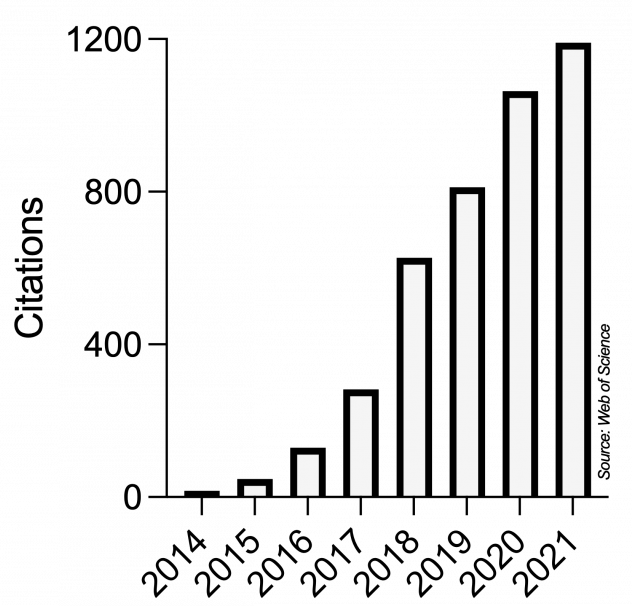
Ever since, Microbial Cell has very positively developed and strongly grown into a respected journal in the unicellular research community and even beyond. This scientific impact is reflected in the yearly number of citations obtained by articles published in Microbial Cell, as recorded by the Web of Science (Clarivate, formerly Thomson/Reuters):
The scientific impact of Microbial Cell is also mirrored in a series of milestones:
2015: Microbial Cell is included in the Emerging Sources Citation Index (ESCI), a selection of developing journals drafted by Clarivate Analytics based on the candidate’s publishing standards, quality, editorial content, and citation data. Note: As an ESCI-selected journal, Microbial Cell is currently being evaluated in a rigorous and long process to determine an inclusion in the Science Citation Index Expanded (SCIE), which allows the official calculation of Clarivate Analytics’ impact factor.

2016: Microbial Cell is awarded the so-called DOAJ Seal by the selective Directory of Open Access Journals (DOAJ). The DOAJ Seal is an exclusive mark of certification for open access journals granted by DOAJ to journals that adhere to outstanding best practice and achieve an extra high and clear commitment to open access and high publishing standards.

2017: Microbial Cell is included in Pubmed Central (PMC), allowing the archiving of all the journal’s articles in PMC and PubMed.

2019: Microbial Cell is indexed in the prestigious abstract and citation database Scopus after a thorough selection process. This also means that Microbial Cell obtains, for the first time, an official Scopus CiteScore as well as an official journal ranking in the Scimago Journal and Country Ranking.

2022: Microbial Cell’s CiteScore reaches a value of 7.2 for the year 2021, positioning Microbial Cell among the top microbiology journals (previously available CiteScores: 2019: 5.4; 2020: 5.1).

2022: Microbial Cell is indexed in the highly selective Science Citation Index Expanded™, which covers approx. 9,500 of the world’s most impactful journals across 178 scientific disciplines. In their journal selection and curation process, Clarivate´s editors apply 24 ‘quality’ criteria and four ‘impact’ criteria to select the most influential journals in their respective fields. This selection is also a pre-requisite for inclusion in the JCR, which features the impact factor.

2022: Microbial Cell is listed in the Journal Citation Reports™ (JCR), and obtains its first official Journal Impact Factor™ (JIF) for the year 2021: 5.316.Check Article Types and Manuscript Preparation guidelines. Submit online via Scholastica.